
Aloha, and welcome to Roselani Place! Nestled in the heart of Kahului, we offer more than the average Maui 55+ community. We represent the epitome of the Aloha spirit—a personalized level of care for older adults who value their independence and wish to age in place.
Our story began with a singular mission to redefine what it means to be a Hawaiian senior care home. We wanted to create a space that caters to seniors’ needs and celebrates our beautiful island’s vibrant culture.
This vision became a reality with the establishment of Roselani Place, a community committed to offering exceptional senior care. We were the first Maui senior care community to receive licensed assisted living accreditation.
At Roselani Place, we understand that transitioning to senior living from home or a retirement community is a significant life change. That’s why we’ve dedicated ourselves to providing a comprehensive range of services designed to ensure comfort and enrichment for life.
Our commitment extends beyond the traditional concept of 55-plus communities in Maui, Hawaii. We aim to offer a living experience that:
- Maintains independence
- Nurtures well-being
- Creates community among seniors living in Maui County
Join us as we delve deeper into the unique offerings of Roselani Place, your premier choice for senior care in Kahului, Maui, HI. Let’s explore how we go above and beyond to provide a warm, welcoming environment that embodies the Aloha spirit.
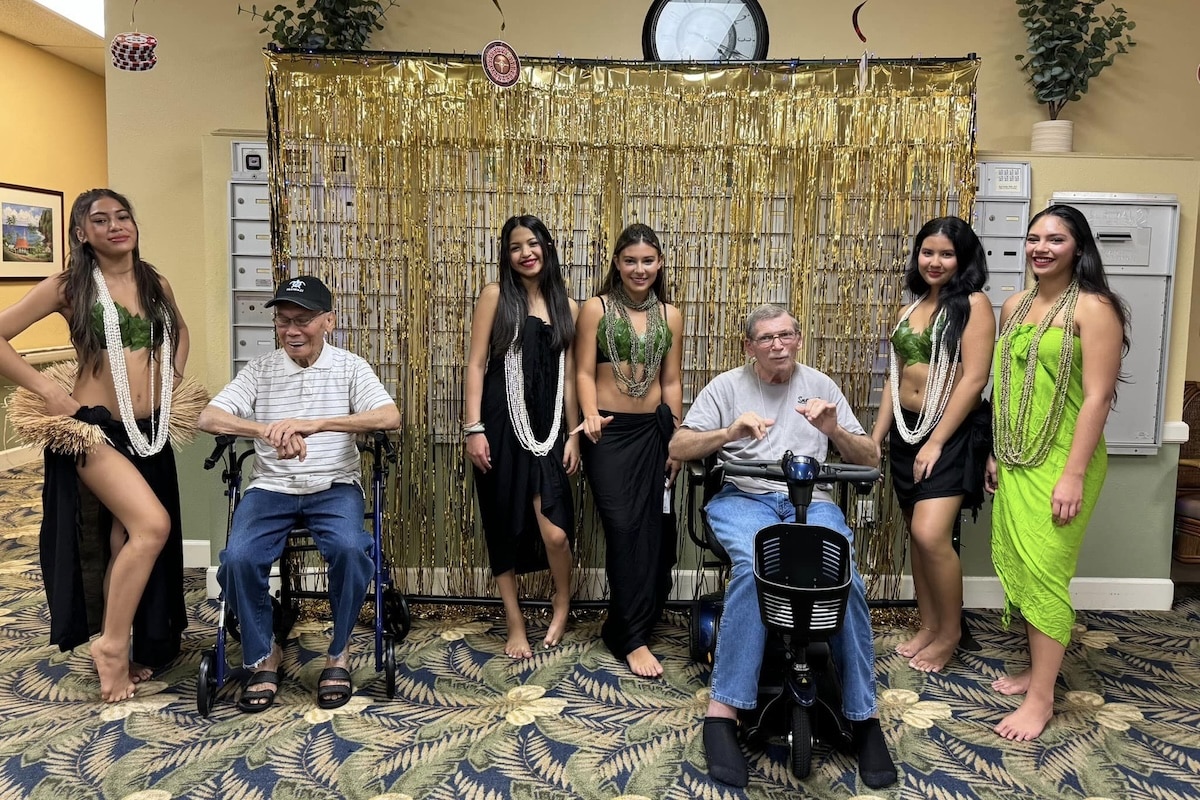
The Community of Hawaii Senior Care
At Roselani Place, we take pride in our community’s design, amenities, and strategic location in Kahului, Maui, HI. As a leading Hawaiian senior care home, we’ve created a haven that seamlessly combines convenience, comfort, and a touch of luxury.
Our community features a variety of floor plans and room options to suit different needs and preferences. From private studios to spacious one-bedroom apartments with dens, each residence features a kitchenette, air conditioning, and accessible bathrooms.
But the Roselani Place experience extends far beyond the walls of our residences. Our shared spaces are designed to promote social interaction and engagement. We offer:
- Social lounges
- Activity room
- Fitness programs
- Scheduled activities
- Beauty salon and barbershop
- Private garden courtyard
- Billiard room
- Library
- Three chef-prepared meals per day in the dining room
Roselani Place is strategically located in Kahului, Maui. This prime location means being part of a vibrant neighborhood full of life and opportunities for exploration.
Surrounding our community is the breathtaking beauty of Maui. Our residents enjoy stunning views of sunrises over the summit of Haleakala to the east. This idyllic setting offers a daily reminder of the natural beauty that makes living in Maui County so special.
Discover the Ideal Senior Living Option for You or A Loved One
Every individual’s lifelong journey is unique. That’s why we’ve designed a spectrum of senior living options to meet residents’ needs that evolve with lifestyle changes. Whether you’re seeking an independent lifestyle, require assistance with daily activities, or need specialized memory care, our community has a place for you.
We pick up where Maui’s 55+ communities leave off. At Roselani Place, senior living adventures can begin in independent living and transition seamlessly to assisted living or memory care if needed. Plus, our respite care option offers short-term care in relaxing senior housing.
- Independent Living: Enjoy a worry-free lifestyle with our resort-inspired services, including housekeeping, meals, and engaging activities.
- Assisted Living: Receive personalized assistance with daily activities and health care while maintaining independence in a supportive community environment.
- Memory Care: Specialized care for those with dementia or Alzheimer’s, incorporating innovative therapies and a secure, nurturing environment.
- Respite Care: Short-term stays provide caregivers a much-needed break while allowing you or a loved one to sample life at our wonderful Maui senior care community.
Explore The Options Beyond 55-plus communities in Maui, Hawaii at Roselani Place
There’s no better way to understand the Roselani Place difference than to see it in person. We invite you to explore the beautiful surroundings of our Kahului assisted living community and meet our friendly team and residents.
Your new home in paradise awaits. Contact us today to arrange a tour of long-term care in a relaxing environment.